Brand Building: Creating a Memorable Business Identity
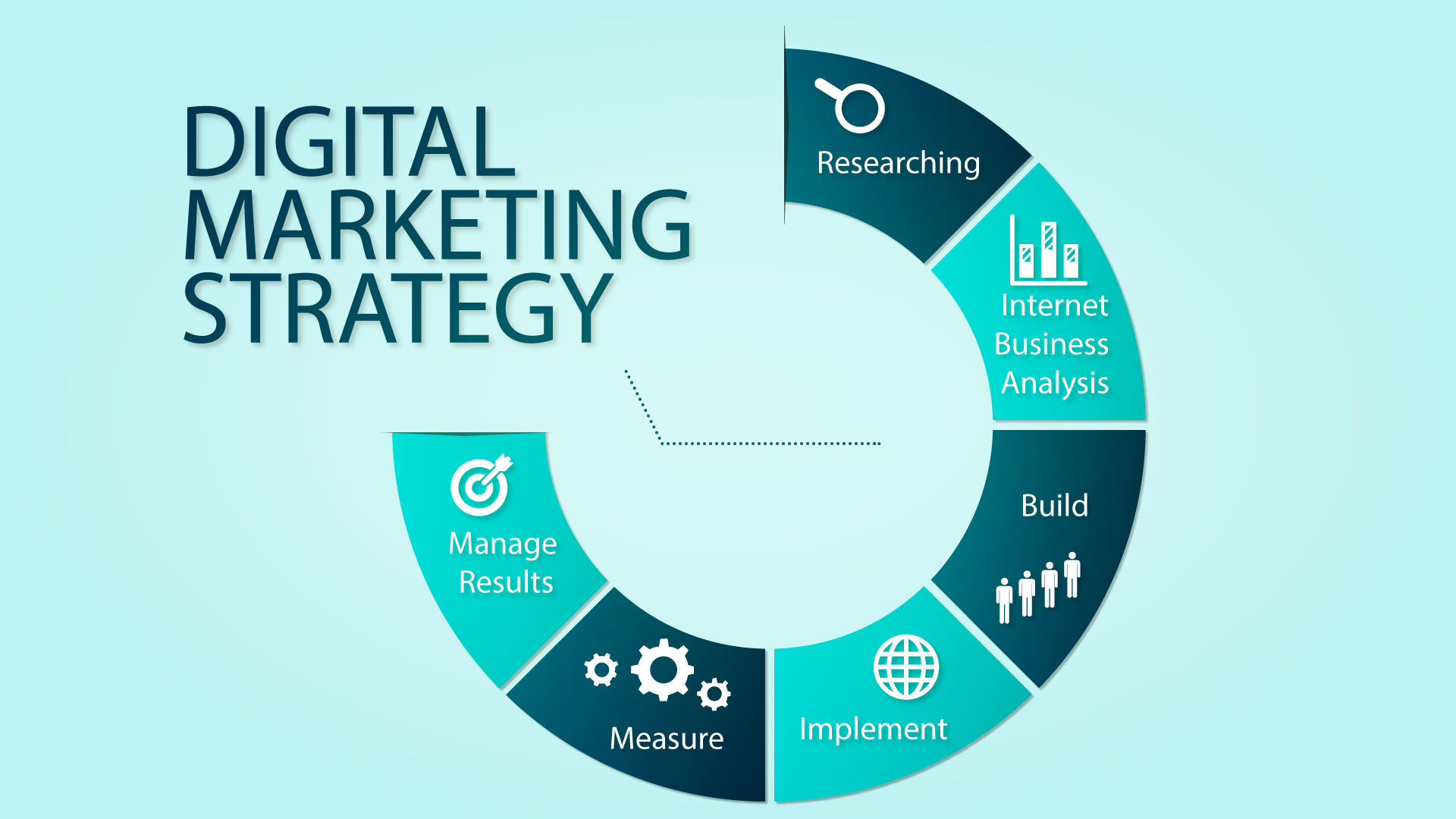
Building a Winning Digital Marketing Strategy in 2026
Digital marketing has evolved far beyond simply running advertisements or posting on social media. In 2026, successful brands rely on structured digital marketing strategies that combine data, creativity, and customer understanding to drive consistent growth.
A well-planned strategy ensures that every marketing effort contributes toward measurable business goals rather than scattered online activity.
Understanding Your Business Goals First
The foundation of any digital marketing strategy begins with clarity. Businesses must define what success looks like before choosing platforms or tactics.
Common goals include:
-
Increasing brand awareness
-
Generating qualified leads
-
Driving website traffic
-
Improving customer retention
-
Boosting online sales
Without clear objectives, marketing efforts become reactive instead of strategic.
Knowing Your Target Audience
A strong strategy focuses on people, not platforms. Understanding customer behavior, interests, and challenges allows businesses to create content that resonates naturally.
Key audience questions include:
-
Who is your ideal customer?
-
What problems do they face?
-
Where do they spend time online?
-
What type of content do they trust?
Audience research helps brands communicate with relevance rather than guesswork.
Choosing the Right Marketing Channels
Not every platform works for every business. A smart digital marketing strategy selects channels based on audience behavior and business goals.
Popular channels include:
-
Search Engine Optimization (SEO) for long-term organic traffic
-
Social Media Marketing for engagement and brand building
-
Content Marketing for authority and education
-
Email Marketing for retention and conversions
-
Paid Advertising for fast visibility
The key is integration - each channel should support the others.
Content as the Core of Strategy
Content remains the driving force behind digital success. Valuable content builds trust, answers customer questions, and positions a brand as an expert.
Effective content types include:
-
Educational blog posts
-
Short-form videos
-
Case studies
-
Guides and tutorials
-
Customer success stories
Consistency matters more than volume. Publishing useful content regularly strengthens brand authority over time.
Data and Performance Tracking
Modern digital marketing relies heavily on analytics. Tracking performance allows businesses to understand what works and what needs improvement.
Important metrics include:
-
Website traffic sources
-
Engagement rates
-
Conversion rates
-
Cost per acquisition
-
Customer lifetime value
Data-driven decisions reduce wasted budget and improve marketing efficiency.
Continuous Optimization
Digital marketing is never a one-time setup. Algorithms change, trends evolve, and audience behavior shifts constantly.
Successful businesses review performance regularly and optimize:
-
Content formats
-
Posting schedules
-
Ad targeting
-
Landing pages
-
Messaging strategies
Small improvements over time create significant long-term growth.
Comments
Post a Comment